March 9, 2026
Basements are no longer treated as dark storage zones or unfinished afterthoughts. In 2026, homeowners are viewing these lower levels as high-impact opportunities to expand livable space, enhance daily comfort, and increase resale appeal. With thoughtful planning and professional execution, a finished basement can rival any main-floor room in both function and style.
This year's most in-demand upgrades focus on lifestyle-driven design. Homeowners want spaces that feel intentional, comfortable, and tailored to how they live right now. Whether the goal is accommodating extended family, creating a destination for entertaining, or building a private escape for movies and sports, the trends point toward versatility and long-term value.
Below are three of the most popular basement remodeling projects shaping residential design in 2026, along with insights into why each one continues to gain momentum.
1. Livable Space Conversions
Creating Comfortable, Code-Compliant Living Areas
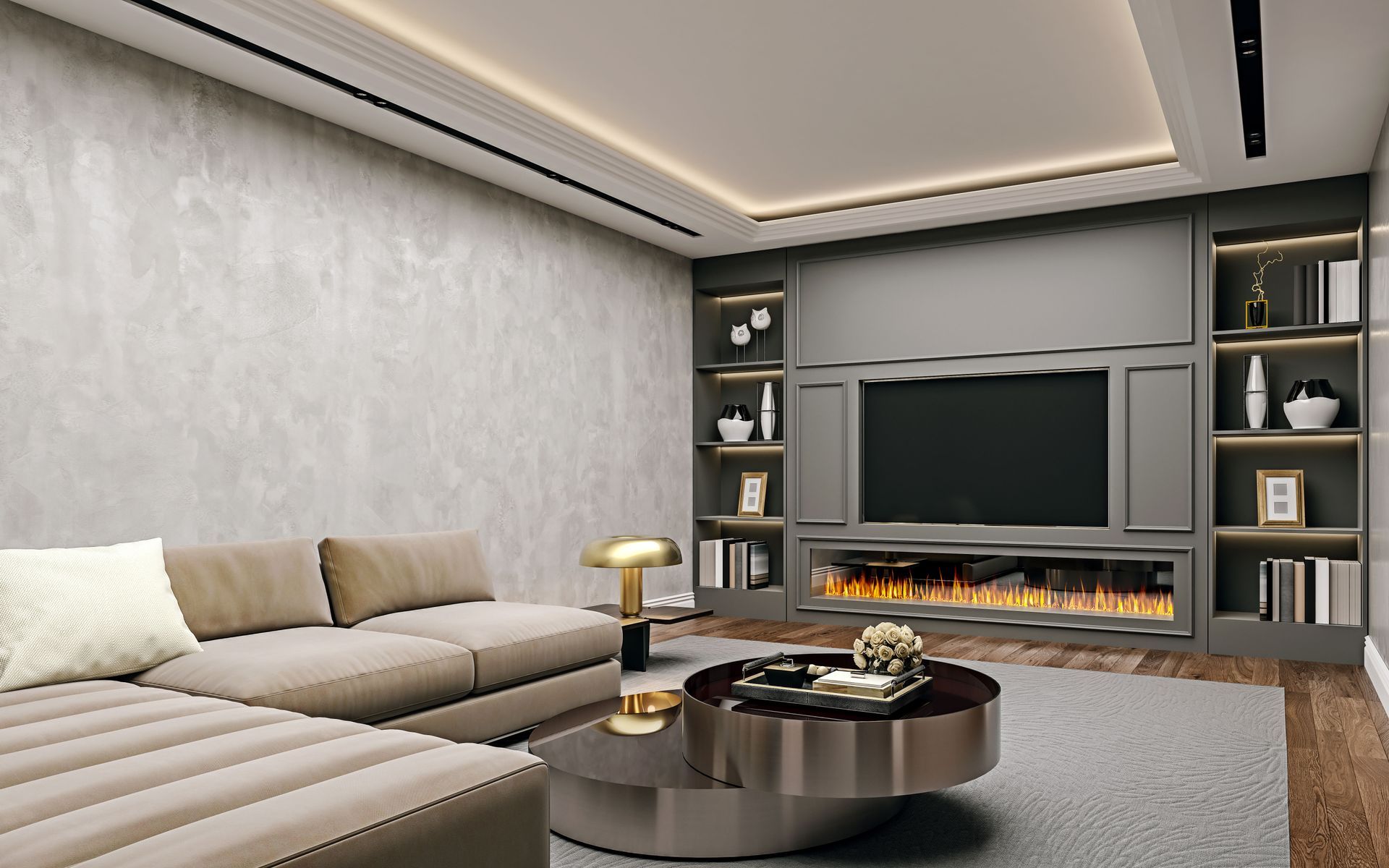
Converting a basement into a fully livable space remains the most influential remodeling trend of 2026. Rather than finishing a basement simply for visual appeal, homeowners are prioritizing comfort, safety, and usability. The goal is to make the space feel indistinguishable from the rest of the home.
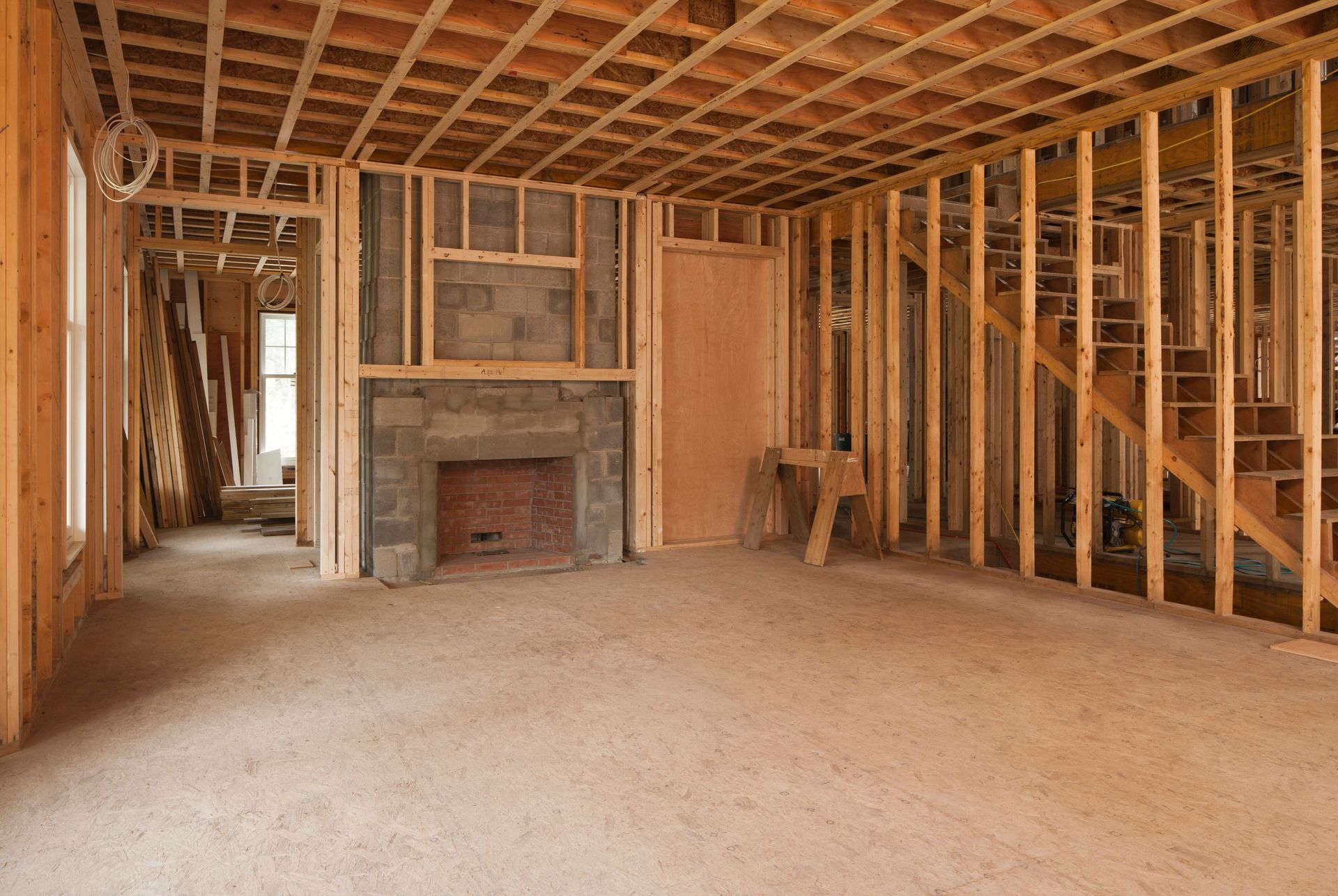
Successful conversions require careful planning around ceiling height, emergency egress, moisture control, and climate regulation. When executed correctly, the result is a comfortable environment suitable for daily use, overnight stays, or long-term living. Bedrooms, guest suites, and multipurpose family rooms are especially popular, offering flexibility as household needs evolve. This type of basement remodeling allows homeowners to expand usable square footage without altering the home's footprint, making it one of the most efficient ways to gain functional space.
Designing for Everyday Living
A livable basement should feel intentional rather than improvised. Layout planning is critical, especially when the space includes sleeping areas, bathrooms, or combined living zones. Open concepts are increasingly popular, but defined areas for rest, storage, and movement help maintain comfort and flow.
Lighting design plays a major role in livability. Recessed fixtures, layered lighting, and well-placed wall sconces prevent the space from feeling dim or enclosed. When possible, enlarging or adding windows can dramatically improve natural light while also meeting safety requirements. Flooring and wall finishes are selected with both durability and warmth in mind. Luxury vinyl planks, engineered wood, and insulated wall systems help create a finished look that stands up to basement conditions.
Storage, Functionality, and Long-Term Value
Well-designed storage is another defining feature of modern basement living spaces. Built-in closets, under-stair storage, and custom shelving maximize efficiency without cluttering the room. These features allow the basement to function as a true extension of the home rather than a temporary solution.
Livable basement conversions are also valued for their adaptability. What starts as a guest suite may later become a private retreat for a growing family member or a rental-ready space. That flexibility contributes significantly to long-term value. According to HGTV, homeowners can typically recover about 86% of their investment when transforming a basement into a finished living area, making it one of the most financially rewarding remodeling projects when it comes time to sell.
2. Basement Bars
Dedicated Spaces for Entertaining
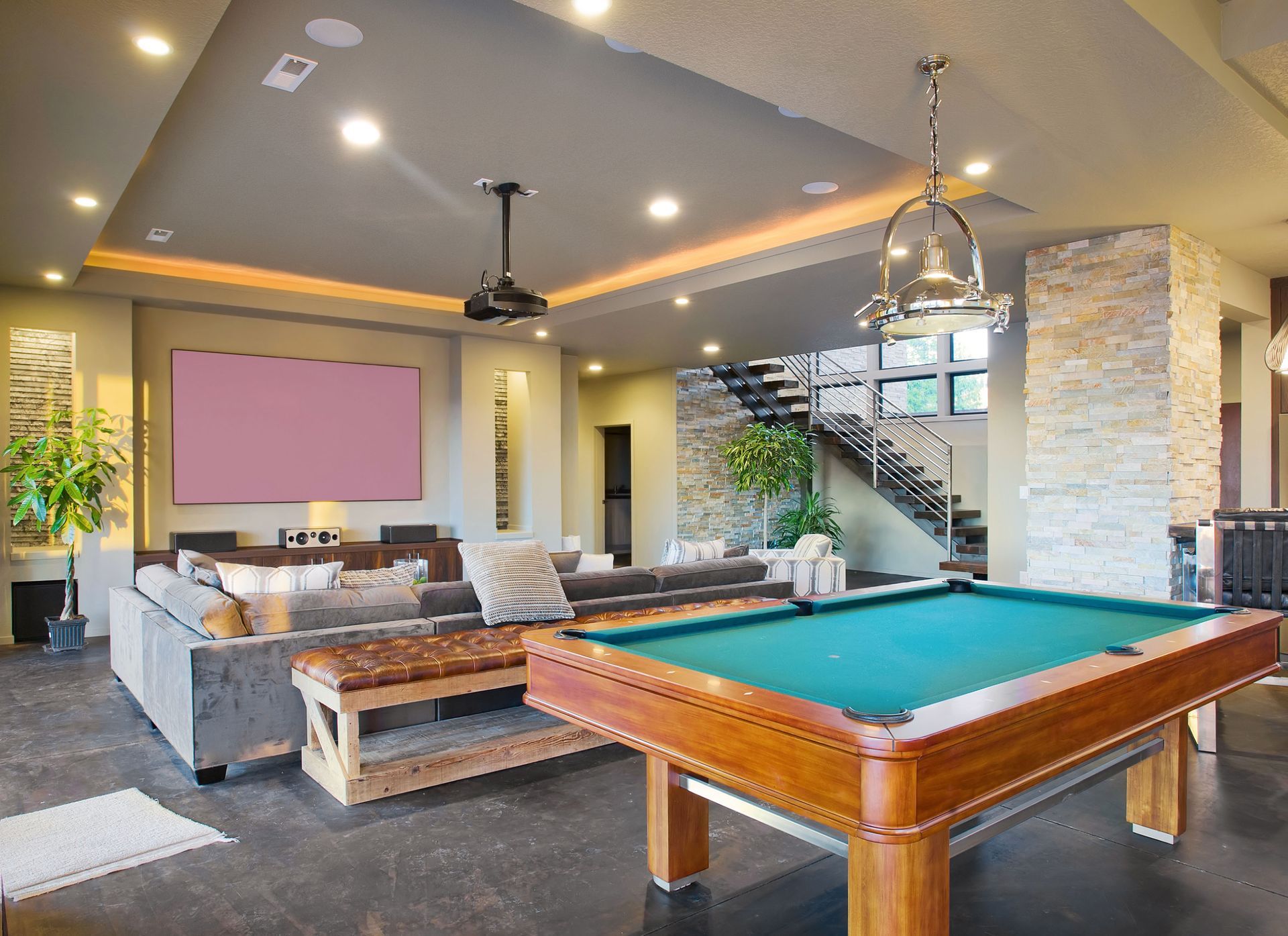
Basement bars continue to grow in popularity as homeowners seek dedicated areas for socializing and relaxation. In 2026, these spaces are less about novelty and more about thoughtful design that supports frequent use. A well-planned bar becomes a natural gathering point for friends, family, and special occasions.
Unlike makeshift wet bars of the past, today's basement bars are fully integrated environments. They often include seating areas, entertainment zones, and ambient lighting that rival upscale lounges. This type of basement remodeling project blends hospitality-inspired design with residential comfort. By placing the bar in the basement, homeowners gain a private entertaining space that does not interfere with daily household routines.
Custom Bar Design and Layout
Personalization is central to modern basement bar projects. Homeowners are choosing layouts that reflect how they plan to use the space, whether that means hosting large gatherings or enjoying quiet evenings at home. Straight bars, wraparound counters, and peninsula designs each offer different advantages depending on room size and traffic flow.
Seating configurations are carefully planned to balance comfort with accessibility. Bar-height stools, built-in benches, and adjacent lounge seating are commonly combined for flexibility. Cabinetry and countertop selections emphasize durability while maintaining visual appeal. Quartz, stone, and sealed wood surfaces are popular choices that handle moisture and spills with ease.
Lifestyle and Resale Appeal
Beyond entertaining, a basement bar offers homeowners a personal retreat within their own home. It provides a designated space to unwind, host celebrations, or enjoy hobbies without disrupting other living areas.
From a resale perspective, a professionally built basement bar adds a distinctive feature that sets a home apart. While tastes vary, the craftsmanship and flexibility of the space often appeal to a wide range of buyers. As part of a broader basement remodeling strategy, a bar can elevate the overall perception of the home's finished lower level.
3. Home Theaters
Private Entertainment Experiences
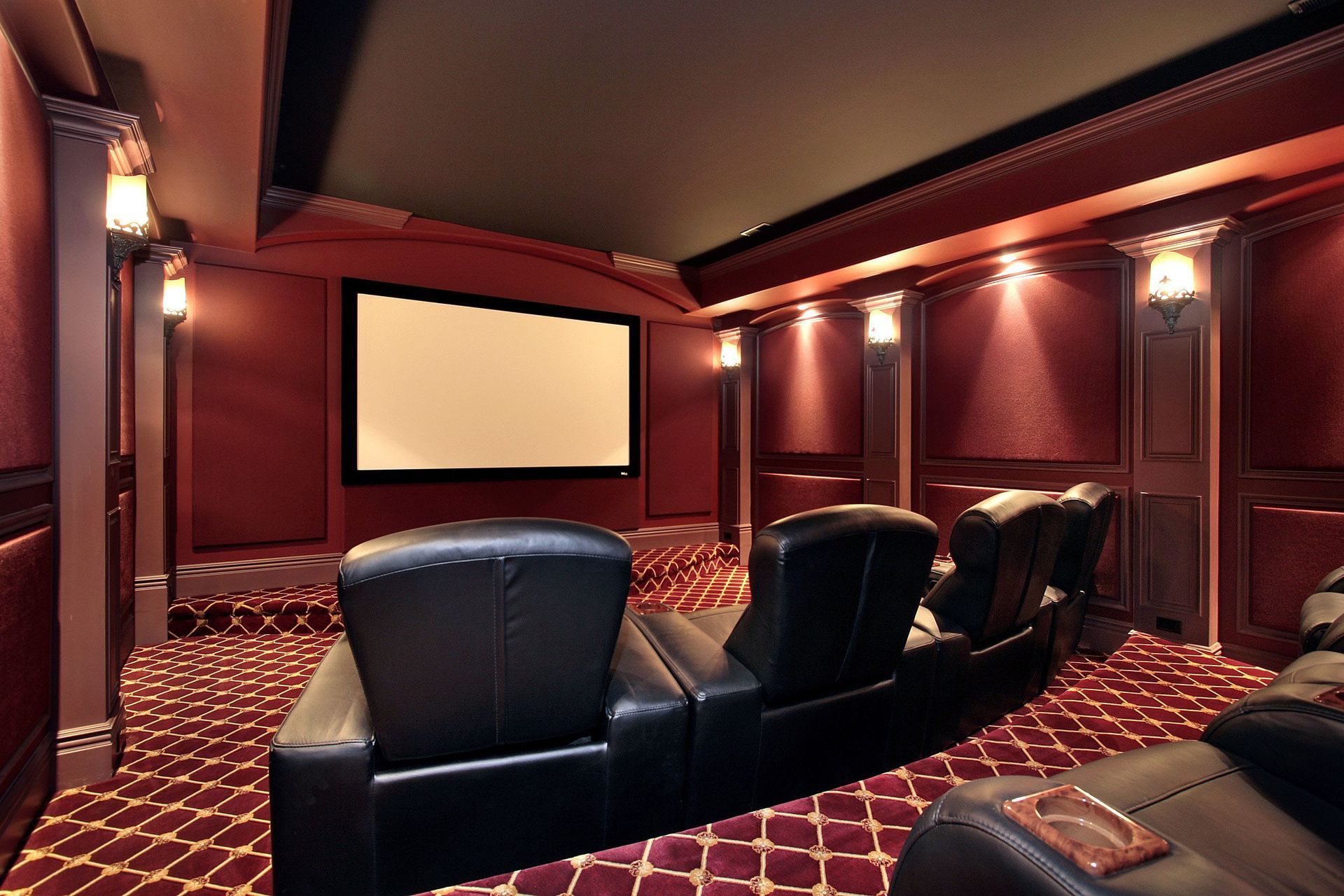
Home theaters remain a standout trend in 2026, fueled by advancements in audio-visual technology and a growing desire for immersive at-home experiences. The basement is an ideal location for this type of project due to its natural sound isolation and controlled lighting environment.
Rather than simple media rooms, modern basement theaters are purpose-built spaces designed to replicate the cinematic experience. From screen placement to acoustic treatment, every detail is planned to enhance viewing quality. This form of basement remodeling allows homeowners to enjoy movies, sports, and gaming in a dedicated environment without competing with household noise or distractions.
Seating, Comfort, and Layout
Comfort is central to the home theater experience. Seating options range from classic recliners to modular sofas that accommodate family gatherings. Tiered seating layouts are increasingly popular, even in modest-sized basements, as they improve sight lines and replicate a commercial theater feel.
Spacing between rows, aisle access, and screen distance are carefully calculated to reduce eye strain and maintain comfort during extended viewing sessions. Climate control also plays a role. Proper ventilation ensures the room remains comfortable even during long movie marathons or crowded events.
Lighting and Visual Control
Lighting design in a basement theater is intentionally subtle. Recessed fixtures, step lights, and wall sconces provide visibility without distracting from the screen. Blackout conditions are achieved through controlled lighting zones rather than complete darkness.
Wall and ceiling colors are selected to minimize light reflection. Dark, matte finishes improve screen contrast and enhance immersion. Many homeowners incorporate decorative elements such as acoustic panels, custom trim, or themed decor to personalize the space without compromising performance.
The most successful basement projects of 2026 share a common theme: intentional design rooted in real-world use. Whether converting the basement into livable quarters, building a welcoming bar, or crafting an immersive theater, homeowners are investing in spaces that enhance daily life while adding measurable value.
Each of these projects benefits from professional planning, quality materials, and attention to environmental factors unique to below-grade construction. When those elements come together, the basement becomes one of the most versatile and rewarding areas of the home. As design trends continue to evolve, one thing remains clear. Strategic basement remodeling offers homeowners an opportunity to reimagine their space, improve functionality, and enjoy a higher return on both comfort and investment for years to come.
If you're interested in starting a basement remodeling project this year, reach out to CMH Builders today!