May 5, 2026
Creating a functional and attractive lower level requires more than just picking out paint colors and flooring. It involves a systematic approach that addresses structural integrity, local building codes, and spatial optimization. When homeowners decide to transform an unfinished space, the most successful outcomes originate from a structured planning phase led by industry veterans. A basement remodel is a significant undertaking that benefits from a methodical strategy to turn a cold, dark area into a seamless extension of the living space.
The planning stage is where the vision meets reality. Professionals look beyond the surface to identify how a subterranean environment differs from the rest of the home. Moisture control, ceiling heights, and emergency egress are all factors that require careful navigation. By following a professional roadmap, property owners can navigate these complexities without the stress of unforeseen technical hurdles.
Assessing Structural Foundations
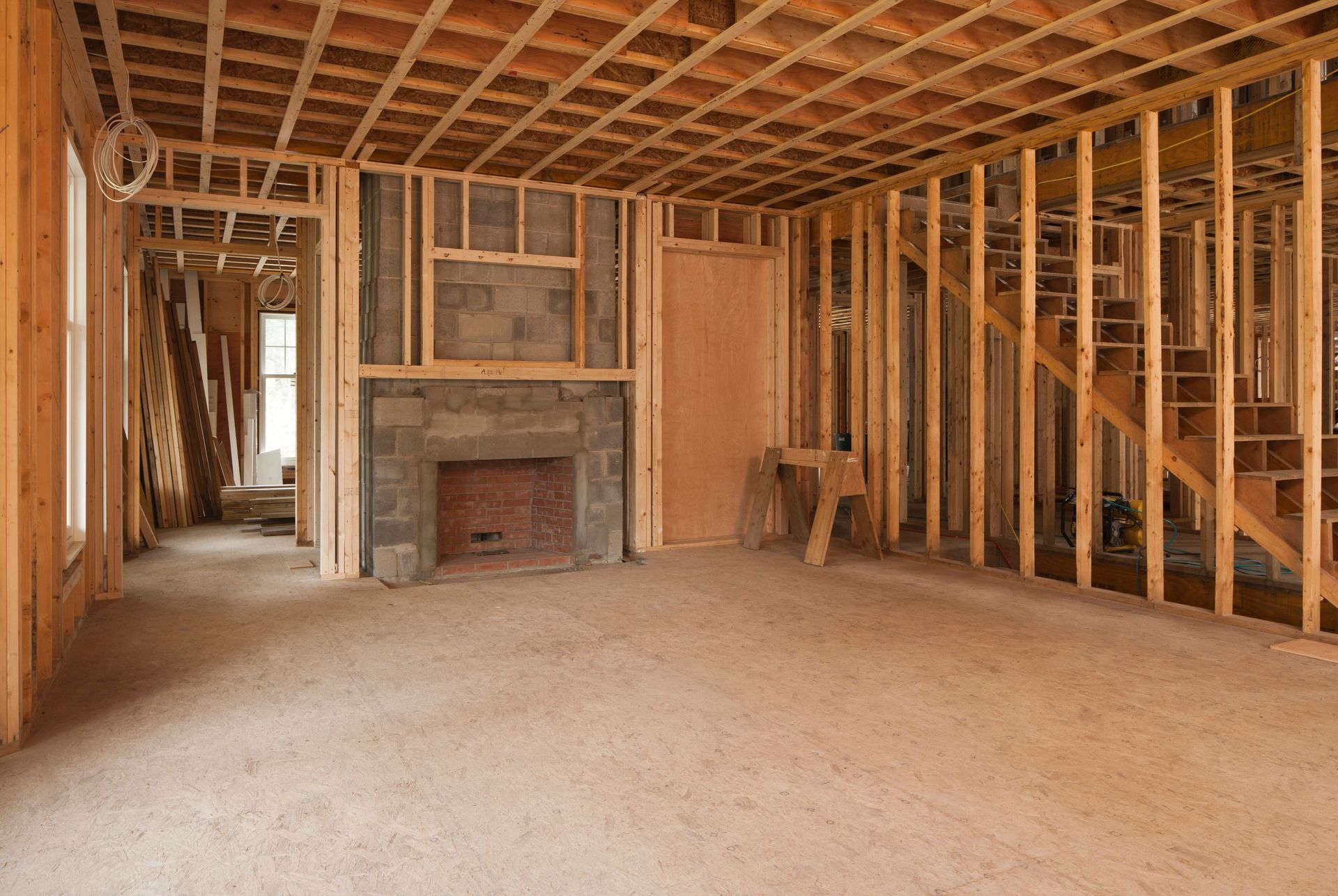
The first step in any professional plan involves a thorough evaluation of the existing structure. Before any aesthetic changes occur, the integrity of the concrete floor and perimeter walls must be confirmed. Professionals look for signs of water intrusion or foundation shifts that could compromise future work. Addressing these issues early prevents damage to new materials later on. This phase also includes evaluating the overhead joists and support columns. Because these elements dictate the final layout, understanding their placement is vital for creating an open and inviting floor plan.
Integrating Mechanical Systems
A successful basement remodel requires the seamless integration of heating, cooling, and plumbing systems. Professionals plan the layout by considering the location of the main water line, the furnace, and the electrical panel. Instead of working against these fixed points, they design the room configurations to maximize efficiency. This might involve rerouting ductwork to increase ceiling height or placing a new bathroom near existing plumbing stacks to simplify the installation process. Proper ventilation is also a primary focus, as lower levels require consistent airflow to maintain comfort and air quality throughout the seasons.
Navigating Regulatory Requirements
Securing the necessary permits is a cornerstone of professional planning. Every municipality has specific codes regarding fire safety, electrical wiring, and plumbing standards. Professionals manage this process by creating detailed blueprints that meet local ordinances. One of the most critical aspects of this stage is planning for egress windows. These are required by law in any space intended for sleeping to provide a safe exit in an emergency. By handling the paperwork and inspections, professionals verify that the project meets all legal safety standards, which protects the homeowner and the property value.
Optimizing Spatial Layouts
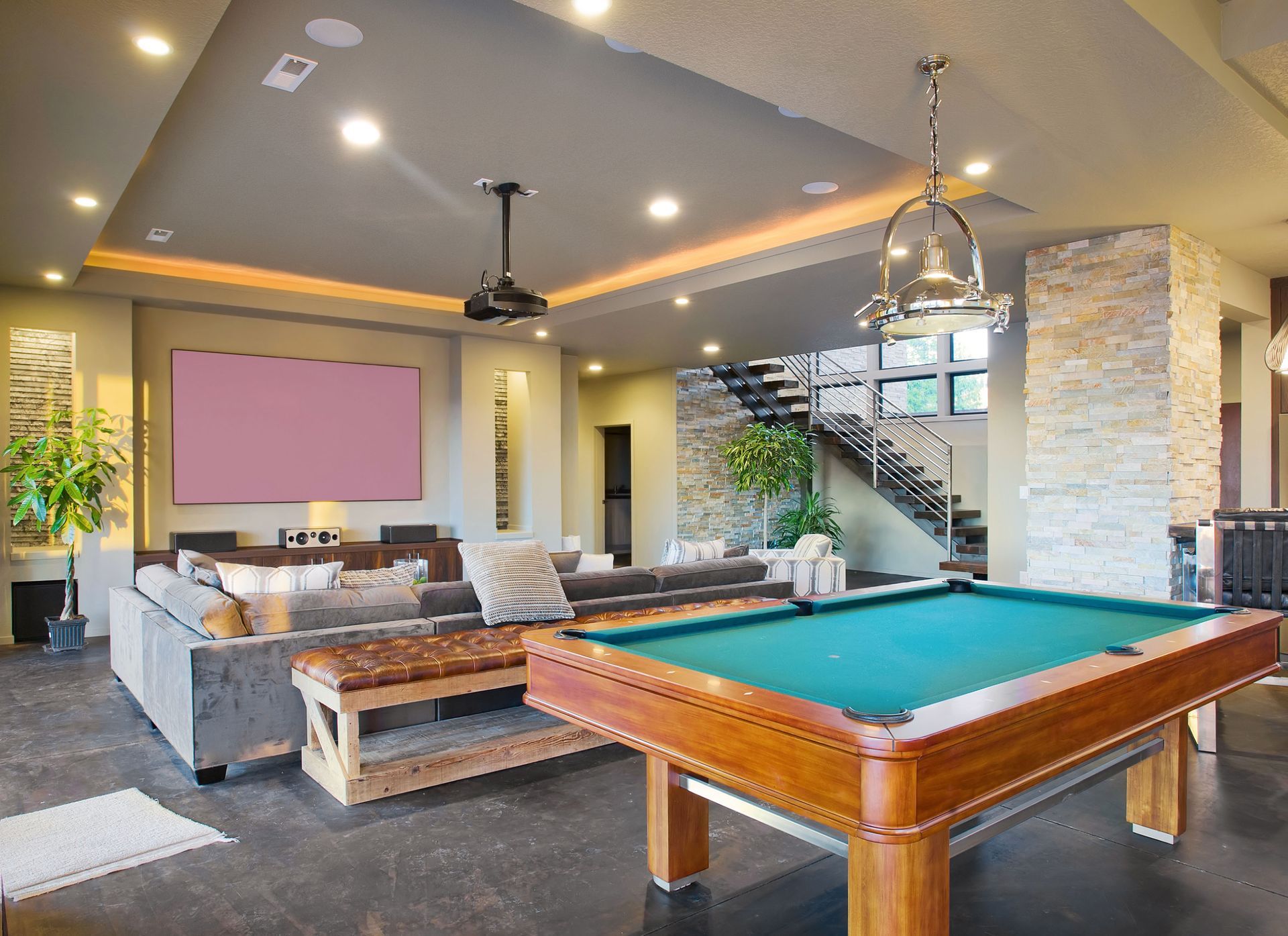
Designing the floor plan involves balancing the homeowner's needs with the physical constraints of the space. Professionals use their experience to create zones for different activities, such as a media room, a home office, or an extra bedroom. They pay close attention to traffic flow, making sure that doorways and hallways are wide enough to feel comfortable. Lighting also plays a major role in spatial optimization. Since natural light is often limited in a basement remodel, professionals plan a layered lighting scheme that includes recessed cans, accent lights, and task lighting to eliminate shadows and make the space feel larger.
Selecting Durable Materials
The subterranean environment presents unique challenges for finishing materials. Professional planning involves choosing products that can withstand higher humidity levels and potential temperature fluctuations. Instead of traditional wood products that might warp, they often suggest inorganic materials or engineered options designed for below-grade use. This foresight extends to flooring, wall treatments, and insulation. By selecting the right materials during the planning phase, the longevity of the project is maintained, and the finished space remains beautiful for years to come.
Coordinating Sequential Timelines
Managing a large project requires a strict schedule to keep different phases moving forward. Professionals create a timeline that coordinates various trades, from framing and electrical work to drywall and finishing touches. This organization prevents delays and keeps the project on track. By having a clear sequence of events, they can manage the arrival of materials and the presence of work crews effectively. This high level of coordination is what allows a complex basement remodel to proceed smoothly from the initial demolition to the final walkthrough.
Enhancing Property Valuation
One of the most compelling reasons to undergo this transformation is the potential return on investment. According to the National Association of Realtors, finishing a basement can boost a home's value by as much as 20%, especially when adding bedrooms or bathrooms. Professionals keep this goal in mind throughout the planning process. They suggest layouts and features that appeal to a wide range of future buyers, such as neutral color palettes and versatile room designs. By focusing on quality and functionality, the planning phase helps turn a dormant space into a valuable financial asset.
Evaluating Lighting Solutions
Because windows are often small or nonexistent in lower levels, professional planners focus heavily on artificial illumination. Ambient lighting provides the general brightness for the room, task lighting focuses on specific areas like a desk or a kitchenette, and accent lighting highlights architectural features or artwork. This approach prevents the "cave" feeling that many people associate with lower levels. By planning the electrical layout before the walls are closed, they can place switches and outlets in the most convenient locations for daily use.
Insulating for Comfort
Thermal regulation is a key component of a professional basement remodel. Standard insulation techniques used in the upper floors of a home are often insufficient for below-grade walls. Professionals plan for specialized insulation that provides a thermal break between the cold foundation and the warm interior air. This not only keeps the space comfortable during the winter but also helps with sound dampening. If the space is intended for a home theater or a quiet office, planners may suggest additional soundproofing materials in the ceiling to reduce noise transmission from the floors above.
Budgeting for Contingencies
Even the most thorough plan must account for the unknown. When opening up old walls or floors, it is possible to find hidden issues. Professionals build a contingency buffer into the financial plan to handle these situations without halting progress. This proactive approach to budgeting provides peace of mind, as it allows for necessary adjustments without compromising the overall quality of the build. Clear communication regarding costs and expectations is established early, so the property owner understands where every dollar is being allocated.
Refining Final Details
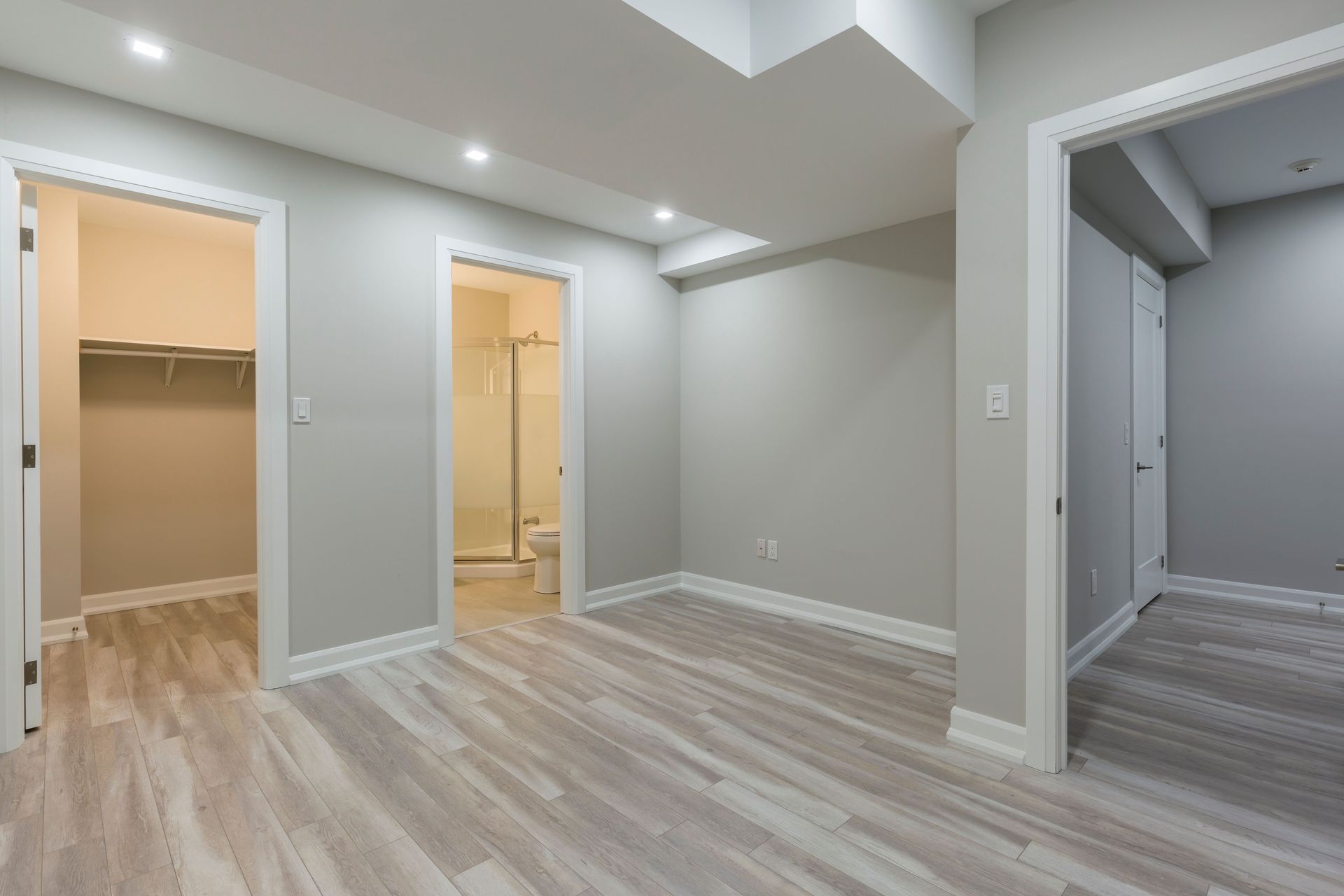
The final stages of planning involve the finishing touches that bring the space to life. This includes choosing trim styles, hardware, and paint finishes that complement the rest of the home. Professionals help bridge the gap between the new space and the existing architecture so that the transition feels natural. They look at small details like the swing of a door or the placement of a closet to maximize every square inch. This level of scrutiny during the planning phase prevents the "afterthought" look that often plagues poorly planned projects.
Finalizing the Vision
A basement remodel is a journey from a raw, underutilized area to a polished, functional part of the home. The difference between a project that feels like a basement and one that feels like a true living floor lies in the professional planning. By addressing the technical, legal, and aesthetic requirements with a disciplined approach, the result is a high-quality environment that serves the family's needs. Seeking professional help throughout this process allows for a sophisticated outcome that respects the structure of the home and the vision of the owner.
The investment in a professional plan pays dividends in the form of a smoother construction process and a superior end product. When every detail is considered, the homeowner can enjoy their new space with total confidence in its construction and design. To start your journey toward a beautiful and functional home addition, contact CMH Builders to discuss your upcoming basement remodel.