November 6, 2026
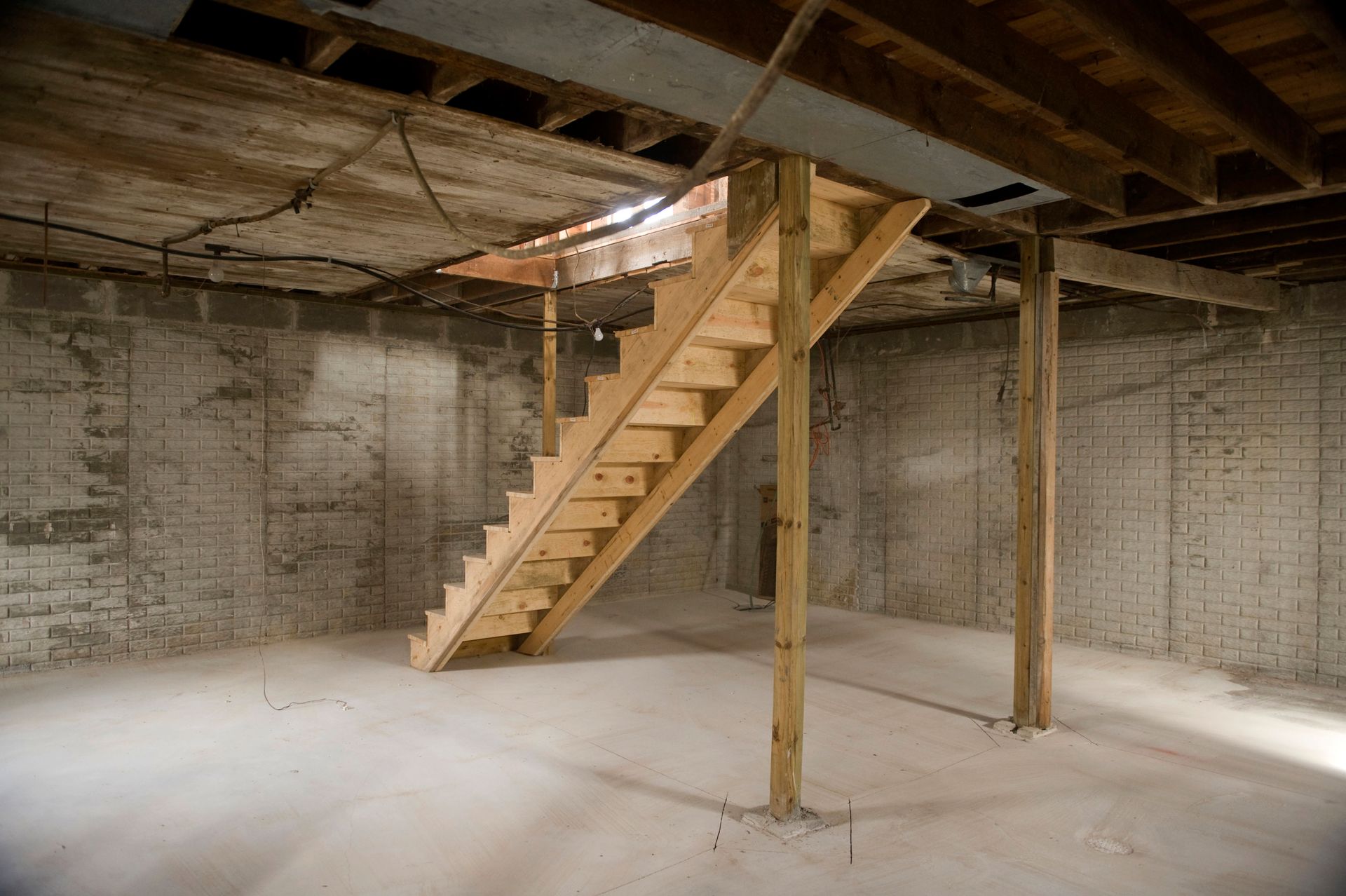
An unfinished basement may seem like a project that can wait, but leaving the space incomplete can contribute to higher energy bills, moisture concerns, and missed opportunities to improve your home. Finishing the basement can create additional living space while addressing issues that affect comfort and long-term property value. Understanding these potential costs can help you decide whether a renovation is a worthwhile investment.
Understanding Higher Energy Costs
An unfinished basement can contribute to energy inefficiency throughout a home. Without proper insulation, heat can escape during winter, while unwanted warmth can enter during summer. According to the U.S. Department of Energy, basements and foundations can account for up to 30% of a home’s energy loss if not properly insulated.
These energy losses can increase utility bills and make it harder to maintain comfortable temperatures. Heating and cooling systems may also need to work harder to compensate for temperature fluctuations. A modern finished basement can incorporate appropriate insulation and energy-efficient features to improve comfort and reduce energy waste. Retrofitting insulation later may be more expensive when additional labor and materials are required. Addressing energy efficiency during basement finishing allows homeowners to manage these improvements as part of one coordinated renovation.
Preventing Moisture and Mold Problems
Unfinished basements are often vulnerable to excess moisture, particularly when foundation walls, floors, or drainage systems have existing problems. Damp conditions can encourage mold and mildew growth, potentially affecting indoor air quality and damaging building materials. These issues can become more expensive when they remain undetected.
Persistent moisture can damage framing, drywall, and stored belongings while contributing to structural deterioration. Professional moisture assessments and appropriate waterproofing measures can help address underlying problems before construction begins. Incorporating moisture management into a modern finished basement helps protect the space and support a healthier indoor environment. Mold remediation may require specialized cleaning and material replacement, creating additional expenses and disrupting household routines. Addressing water intrusion and humidity concerns early can help homeowners avoid preventable damage and protect their property.
Improving Property Value and Appeal
An unfinished basement can limit a home's appeal to buyers seeking additional functional living space. While it may provide basic storage, it lacks the flexibility of a finished area for entertainment, work, or relaxation. Buyers comparing similar properties may prefer homes with more usable space.
A professionally completed basement can make a home more versatile and appealing. Depending on its layout and permitted uses, it may accommodate a family room, guest area, or home office. A modern finished basement can help a property stand out in a competitive real estate market.
The potential return on investment depends on local market conditions, renovation costs, and buyer preferences. Homeowners should focus on creating a functional, well-designed space rather than assuming every improvement will produce a specific increase in resale value.
Reducing Water Damage and Foundation Risks
Basements can experience water intrusion from heavy rainfall, plumbing leaks, groundwater, and drainage problems. If these concerns go unaddressed, moisture can damage building materials and belongings while contributing to structural deterioration. Unfinished spaces may also allow certain problems to go unnoticed.
Effective drainage, foundation repairs, and waterproofing are important considerations before finishing a basement. A contractor can evaluate existing conditions and identify necessary improvements before new walls and flooring conceal important areas. Including these measures in a modern finished basement project helps protect the investment and reduce the likelihood of costly repairs. Water damage can affect flooring, insulation, electrical components, and furnishings. Addressing vulnerabilities before construction helps minimize disruption and supports the long-term condition of the home.
Strengthening Basement Safety and Security
An unfinished basement may have exposed utility areas, poorly organized storage, and access points that need additional attention. Inadequate lighting and unfinished stairways can also create safety hazards. These conditions can make the space less practical for everyday use. Professional basement finishing can incorporate better lighting, secure access points, and safer room layouts. Building codes should guide decisions involving electrical systems, stairways, fire safety, and emergency exits. A modern finished basement should prioritize these essential considerations alongside appearance and comfort.
Depending on the intended use, approved emergency escape openings may also be required. Local building codes determine which safety features are necessary, particularly when sleeping areas are included. Addressing these requirements during planning helps create a suitable, functional space.
Creating Additional Living Space
Leaving a basement unfinished means missing an opportunity to expand a home's usable area. A renovation can create space for activities that might otherwise compete for room on the main floors. This flexibility can become especially valuable as household needs change.
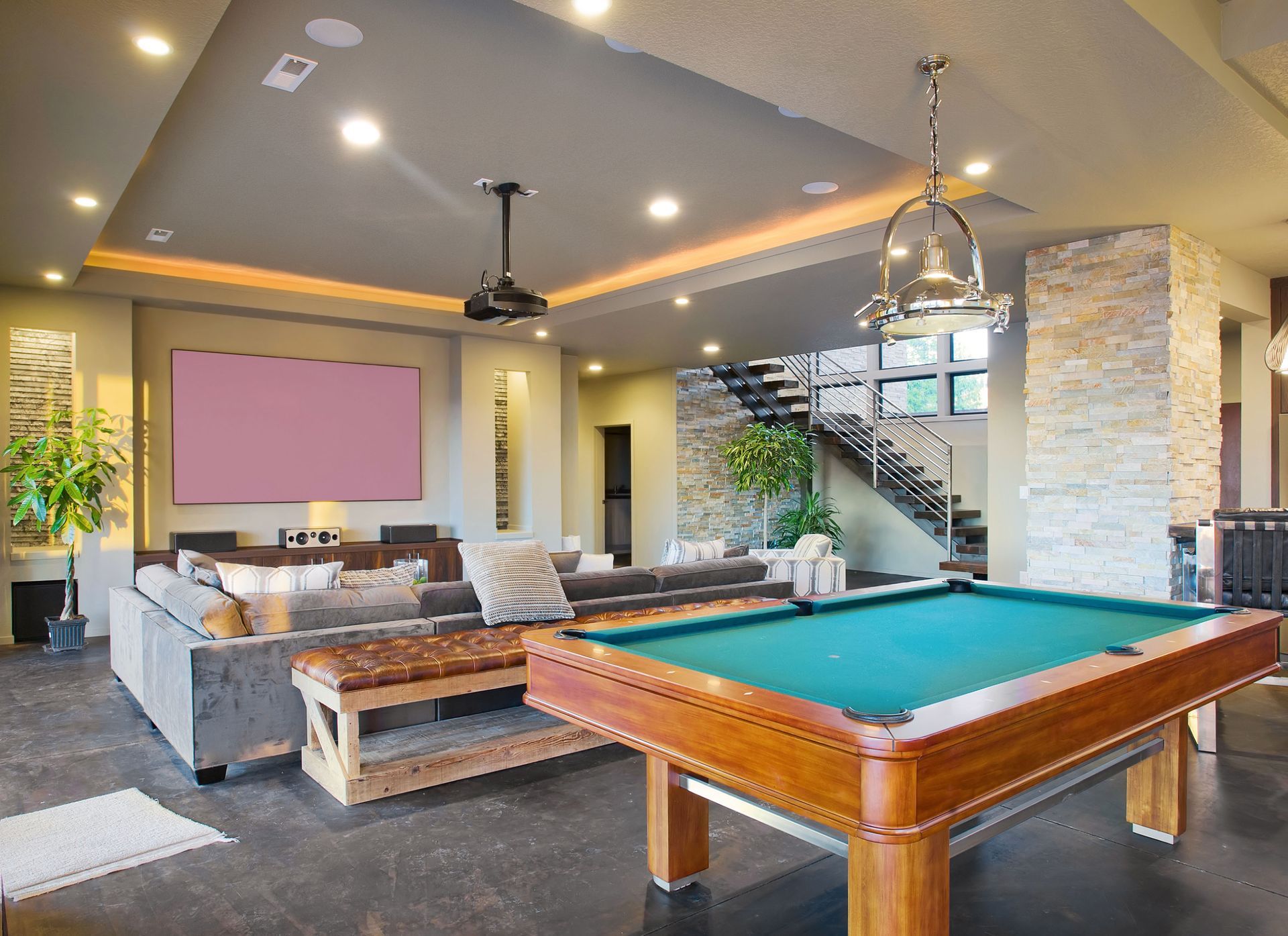
A finished basement may accommodate a family room, entertainment area, home office, or guest space. These options allow homeowners to make better use of their existing property without expanding its footprint. A modern finished basement can also provide a quieter, more private environment for working or relaxing.
Some homeowners consider creating a rental apartment, but this depends on local zoning, building codes, ceiling heights, and emergency exit requirements. Evaluating these factors before construction helps establish realistic expectations. Even without rental potential, a finished basement can provide valuable additional living space.
Simplifying Long-Term Basement Maintenance
An unfinished basement can make it harder to organize storage and monitor certain areas for deterioration. Exposed pipes, foundation walls, and mechanical equipment may remain accessible, but clutter and poor lighting can complicate inspections. When maintenance issues are overlooked, minor concerns can become expensive repairs.
Professional finishing provides an opportunity to plan access to utilities and select durable materials suited to basement conditions. Appropriate ventilation, moisture-resistant products, and practical storage can support long-term performance. A modern finished basement should combine attractive finishes with features that simplify maintenance.
Material selection matters because basements can experience greater humidity and temperature fluctuations than upper floors. Choosing suitable products can reduce premature deterioration and replacement costs. Regular professional inspections can also help identify problems before they become more disruptive.
Improving Basement Comfort and Functionality
An unfinished basement often serves primarily as a storage area, leaving valuable square footage underused. A completed space can provide room for family activities, hobbies, exercise, or entertainment. This additional functionality can improve how the entire home accommodates daily routines.
Lighting, flooring, layout, and temperature control all influence basement comfort. Professional planning can address limited natural light, low ceilings, and mechanical equipment while making the most of the available footprint. A modern finished basement can incorporate these considerations into a cohesive design that complements the rest of the home.
Homeowners should also consider how their needs may change over time. A flexible layout can accommodate changing family routines, remote work, or additional guests. Investing in a practical design helps ensure the space remains useful for years to come.
Planning a Successful Basement Renovation
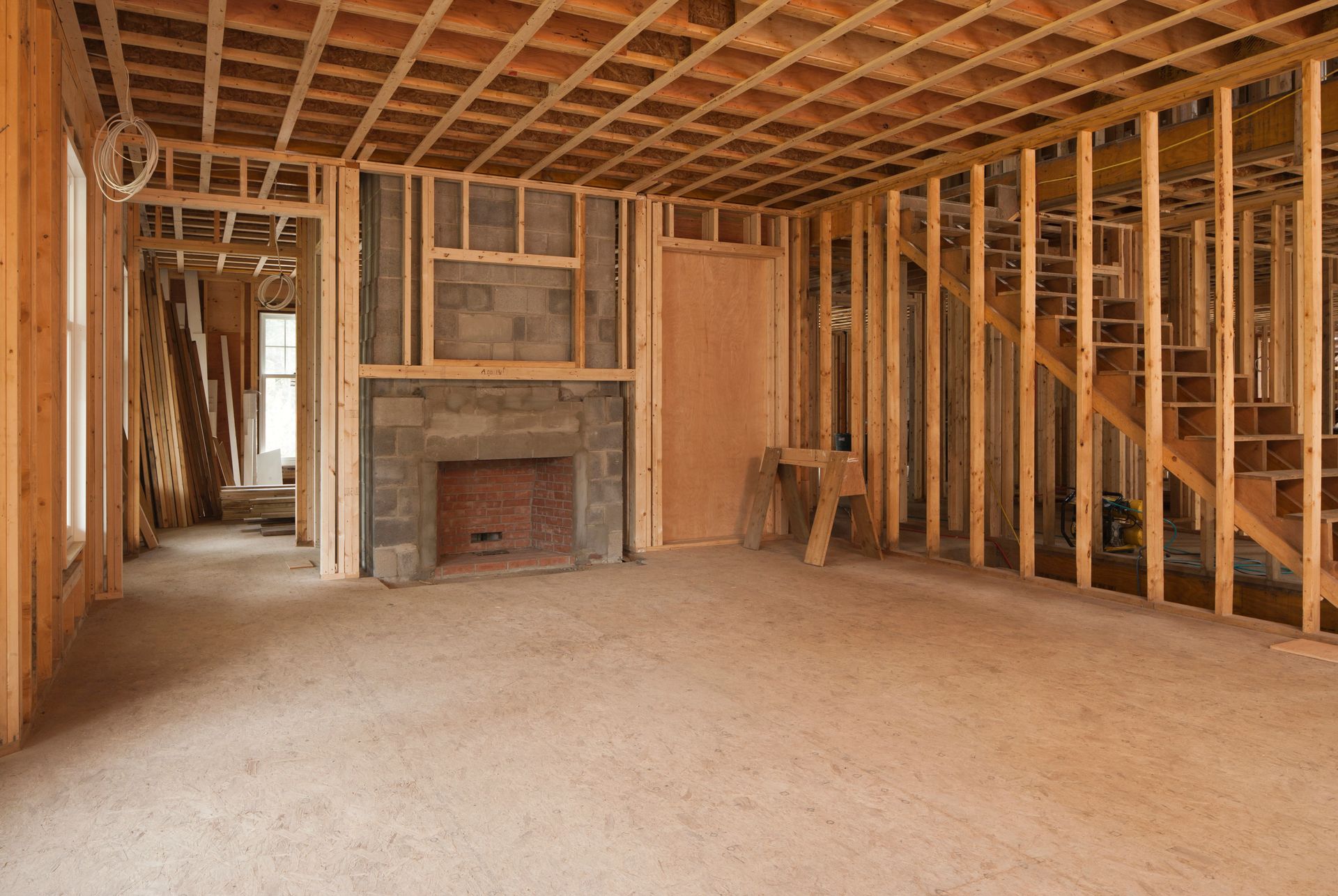
A successful basement renovation begins with an assessment of the existing space. Foundation condition, moisture control, insulation, ventilation, plumbing, electrical systems, and local building requirements can all affect the project's cost. Identifying these factors early helps establish a realistic budget and reduces unexpected complications.
Working with qualified professionals who understand basement construction and local codes can help homeowners make informed decisions. Discussing intended uses, material preferences, budget priorities, and timelines provides a clear direction for the project. Coordinating necessary structural improvements with the finished design can also improve the overall result.
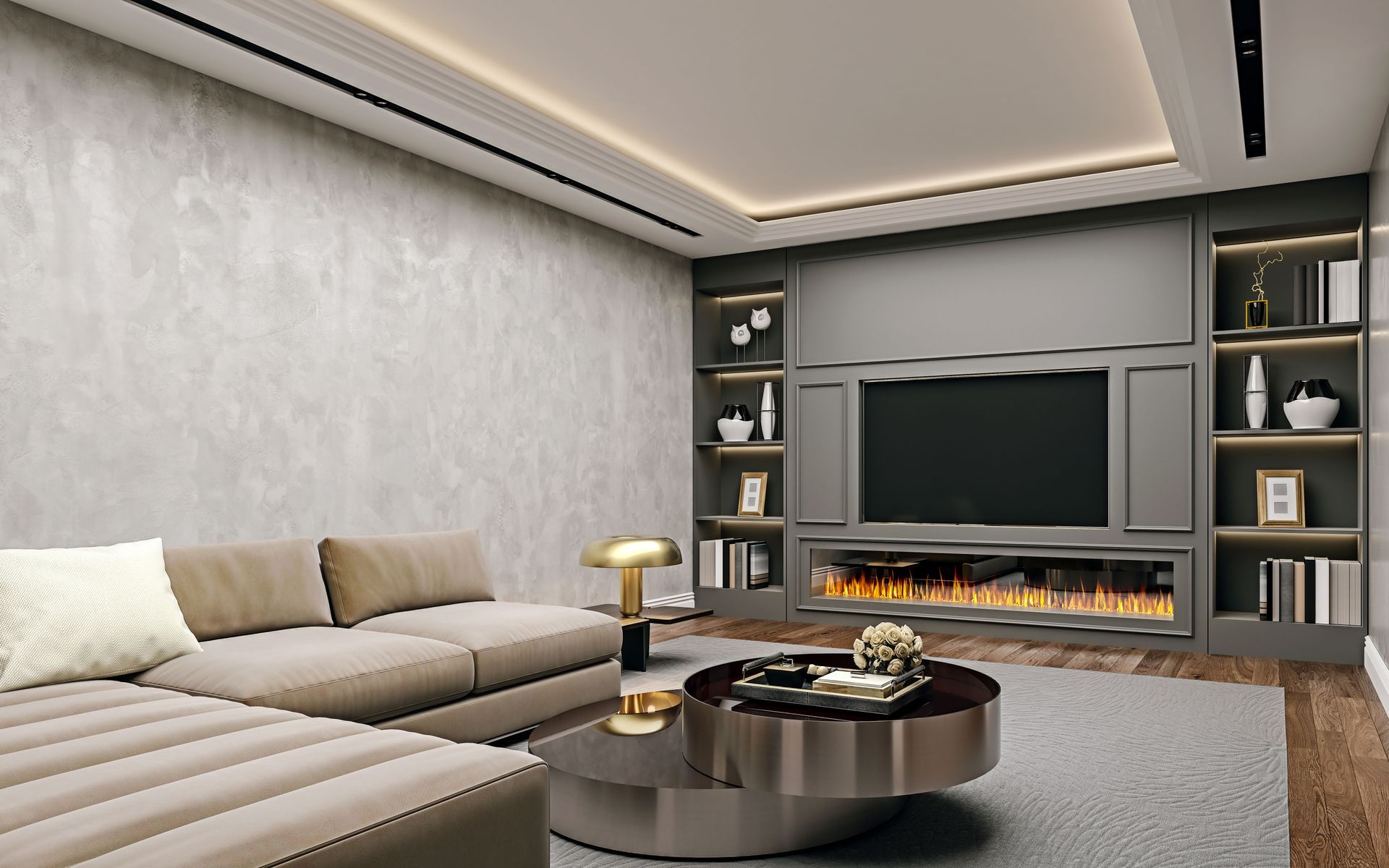
A modern finished basement should provide more than an updated appearance. It should address underlying concerns, make effective use of available space, and offer comfortable, durable functionality. Considering energy efficiency, moisture management, and safety helps homeowners protect their investment.
An unfinished basement can contribute to higher energy costs, missed living-space opportunities, and concerns about moisture and property value. Finishing the space creates an opportunity to improve functionality while addressing important construction considerations. With careful planning, an underused basement can become a valuable extension of the home.
CMH Builders can help homeowners explore options for transforming an unfinished basement into a space that better fits their needs. Whether you envision a family gathering area, a home office, or additional room for guests, professional guidance can help bring your goals together with practical construction requirements. Contact CMH Builders to discuss your basement renovation and take the next step toward a more comfortable, functional home.