April 23, 2026
Basements offer a unique opportunity to expand living space, enhance home functionality, and boost property value. Many homeowners underestimate the potential of these areas, often relegating them to storage or laundry purposes. A thoughtfully planned basement remodel can transform this underutilized space into a comfortable living area, entertainment zone, or even a home office. Understanding the stages, timelines, and professional considerations is essential to ensuring a successful remodel.
1. Define Goals and Establish a Budget
The foundation of a successful basement remodel lies in clear objectives and realistic budgeting. Homeowners must first identify the purpose of the space—whether it’s a bedroom, theater, bar, or bathroom—to determine the scope of work. Budgeting involves estimating costs for labor, materials, permits, and unexpected contingencies. Allocating a financial buffer helps prevent delays caused by unforeseen expenses while maintaining project quality.
Establishing priorities ensures resources are directed toward the most impactful features, from structural improvements to aesthetic enhancements. Homeowners may explore financing options, including personal savings or home equity lines of credit, to support the project. Additionally, understanding potential return on investment provides perspective on expenditure decisions. A clear budget paired with defined goals sets realistic expectations and provides a framework for decision-making throughout the remodel.
2. Hire Designers and Contractors
Selecting experienced designers and contractors is critical for translating vision into a functional, beautiful basement. According to Legacy Real Estate Team, most basement remodels take six to 16 weeks, depending on the scope, making it essential to work with professionals who can manage both timelines and expectations effectively. Professionals guide homeowners through technical and aesthetic decisions, providing expertise on layout optimization, structural adjustments, and compliance with building codes. Vetting candidates through portfolios, references, and interviews ensures alignment with project expectations. Establishing open communication and formal contracts, including scope, timelines, and warranties, creates accountability and reduces disputes.
Designers and contractors collaborate to streamline workflow and reduce delays. Designers offer creative solutions for space utilization, while contractors manage construction logistics. This partnership is particularly valuable when addressing challenges that can affect the remodel timeline. By working with licensed and insured professionals, homeowners gain confidence in the quality and durability of the finished space.
3. Design the Layout for Optimal Space
Maximizing the basement’s functionality requires thoughtful layout planning. Designers work with homeowners to create a plan that accommodates the desired use while considering structural constraints, natural lighting, and ceiling height. Multi-purpose spaces, such as a combination theater and bar area, can enhance flexibility for evolving family needs. Detailed blueprints and 3D models allow visualization of the final space, making adjustments easier before construction begins.
Planning for adaptability ensures the remodel remains valuable over time. Thoughtful attention to flooring, lighting, and ergonomics contributes to comfort and aesthetic appeal. Collaboration with contractors during layout design ensures that plumbing, electrical, and HVAC requirements are integrated seamlessly. By optimizing space early, homeowners can prevent costly revisions and maintain a smooth project timeline.
4. Secure Permits and Comply With Regulations
Obtaining permits and adhering to local regulations are non-negotiable steps in a basement remodel. Permits for structural, plumbing, or electrical work are often required, and acquiring them can take significant time. Failing to secure proper authorization can lead to fines or delays, emphasizing the importance of due diligence. Working with professionals experienced in local building codes can expedite this process and ensure compliance.
Regular inspections throughout the remodel confirm that work meets legal and safety standards. Contractors can facilitate interactions with inspectors, reducing the risk of delays. By addressing regulatory requirements proactively, homeowners can focus on design and construction with confidence. Compliance ensures the long-term safety and value of the remodel, protecting both family and investment.
5. Conduct Pre-construction Assessments
Pre-construction preparations are essential for identifying challenges that may affect timelines. Comprehensive site surveys evaluate structural integrity, moisture levels, and utility layouts. These assessments guide decisions about waterproofing, foundation reinforcement, and other critical modifications. Addressing potential issues early reduces the likelihood of costly surprises during construction.
Survey findings also inform design refinements and material selection. Open collaboration between homeowners, designers, and contractors ensures that the plan is feasible and aligned with project goals. By establishing a clear understanding of the basement’s conditions, this phase strengthens planning accuracy and supports a smooth construction process.
6. Select Materials and Manage Procurement
Material selection shapes both the visual appeal and longevity of a basement remodel. Homeowners, in consultation with professionals, choose materials for flooring, cabinetry, fixtures, and finishes that balance durability, style, and budget. Procurement must account for lead times, availability, and potential supply chain disruptions to prevent delays. Maintaining relationships with reliable suppliers and ordering key components early helps maintain schedule continuity.
Flexibility in material selection allows substitutions if issues arise, keeping construction on track. Thoughtful procurement planning ensures that all materials are available when needed, minimizing downtime between project phases. High-quality materials paired with professional installation guarantee that the basement remodel meets both aesthetic and functional expectations.
7. Arrange Temporary Facilities and Plan Household Adjustments
During construction, maintaining household routines requires careful planning. Temporary setups for laundry, storage, and other essential functions help reduce disruption. Homeowners and contractors collaborate to determine which areas require alternate arrangements and how long they will be needed. This proactive planning minimizes inconvenience and allows the family to continue daily activities with minimal impact.
Flexible scheduling ensures access to critical areas throughout the remodel. Communicating expectations about temporary facilities keeps household members informed and prepared. By integrating practical solutions for daily life, the remodel process remains efficient and manageable, supporting overall satisfaction with the project.
8. Execute Structural Modifications and Construction
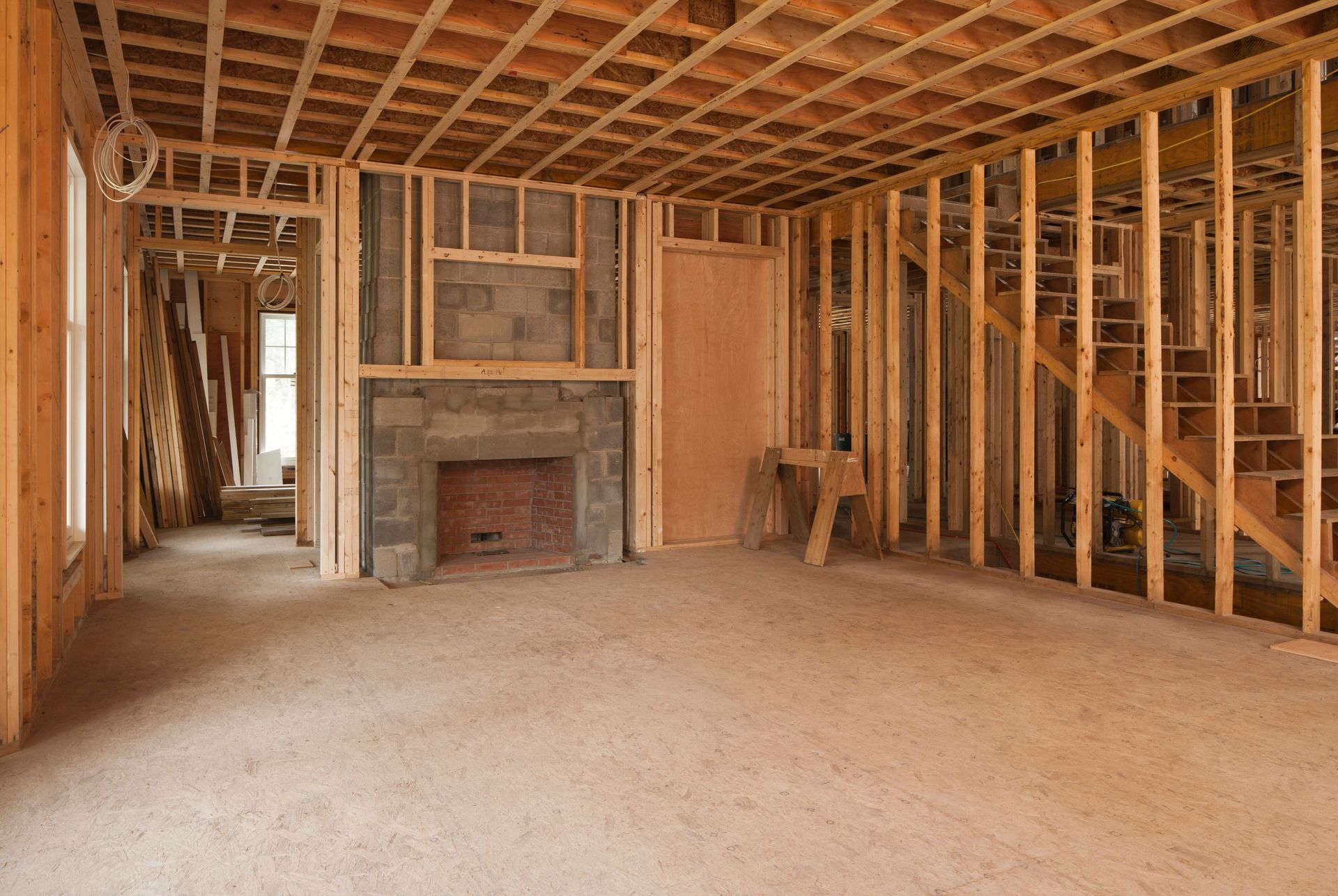
Once planning and preparations are complete, construction begins with demolition, structural modifications, and installation of key systems. This phase involves removing old elements, reinforcing foundations, framing walls, and integrating plumbing and electrical components. Careful sequencing of tasks ensures efficiency and adherence to the timeline. Delays in this phase can cascade into subsequent stages, so coordination between teams is vital.
Addressing structural needs early prevents issues during finishing stages. Installing new walls, flooring, or ceilings according to design specifications lays the groundwork for a polished final result. Contractors ensure that work meets safety standards and integrates with utilities seamlessly. Efficient execution during construction is a major determinant of the overall timeline for a basement remodel.
9. Install Finishes and Custom Features
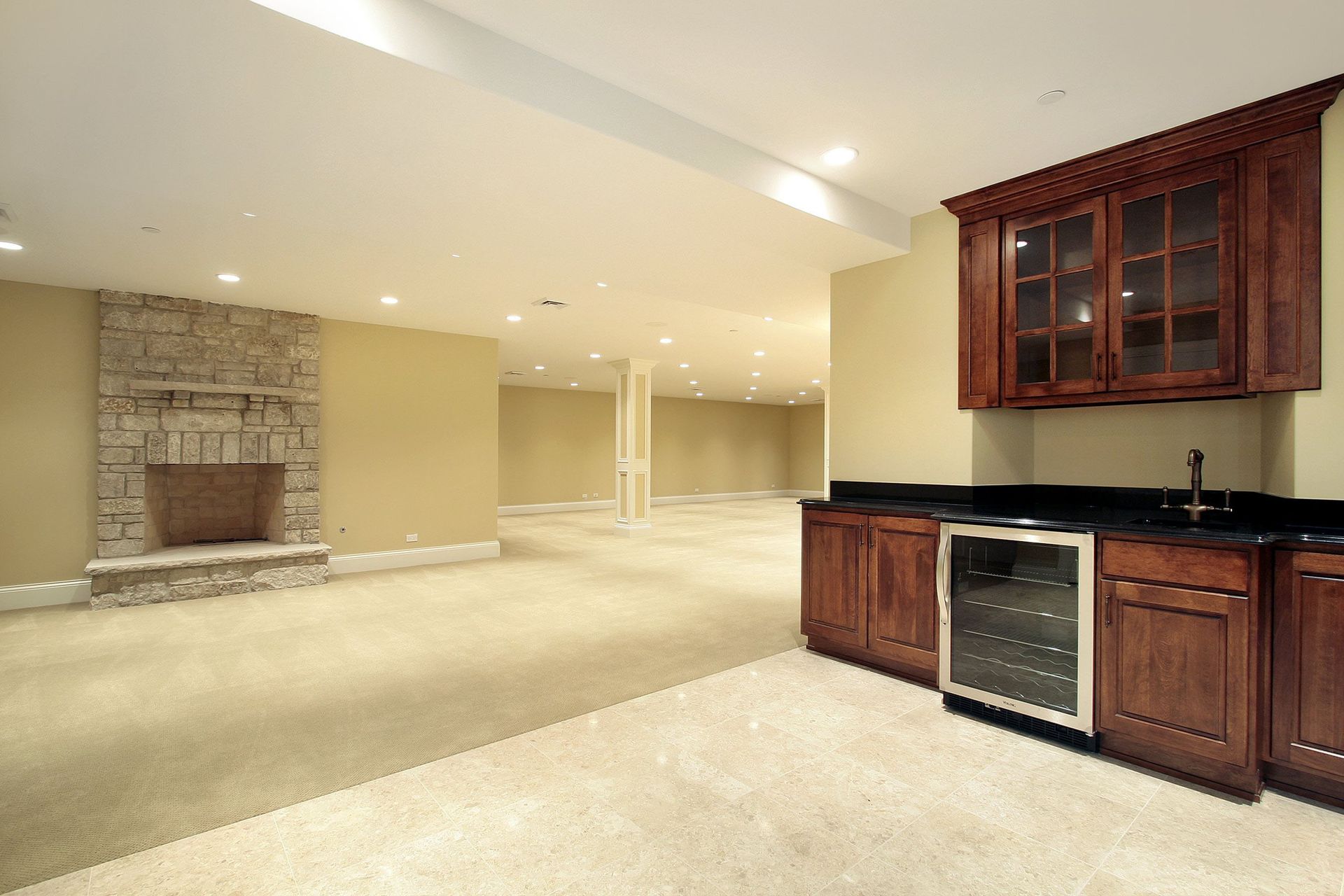
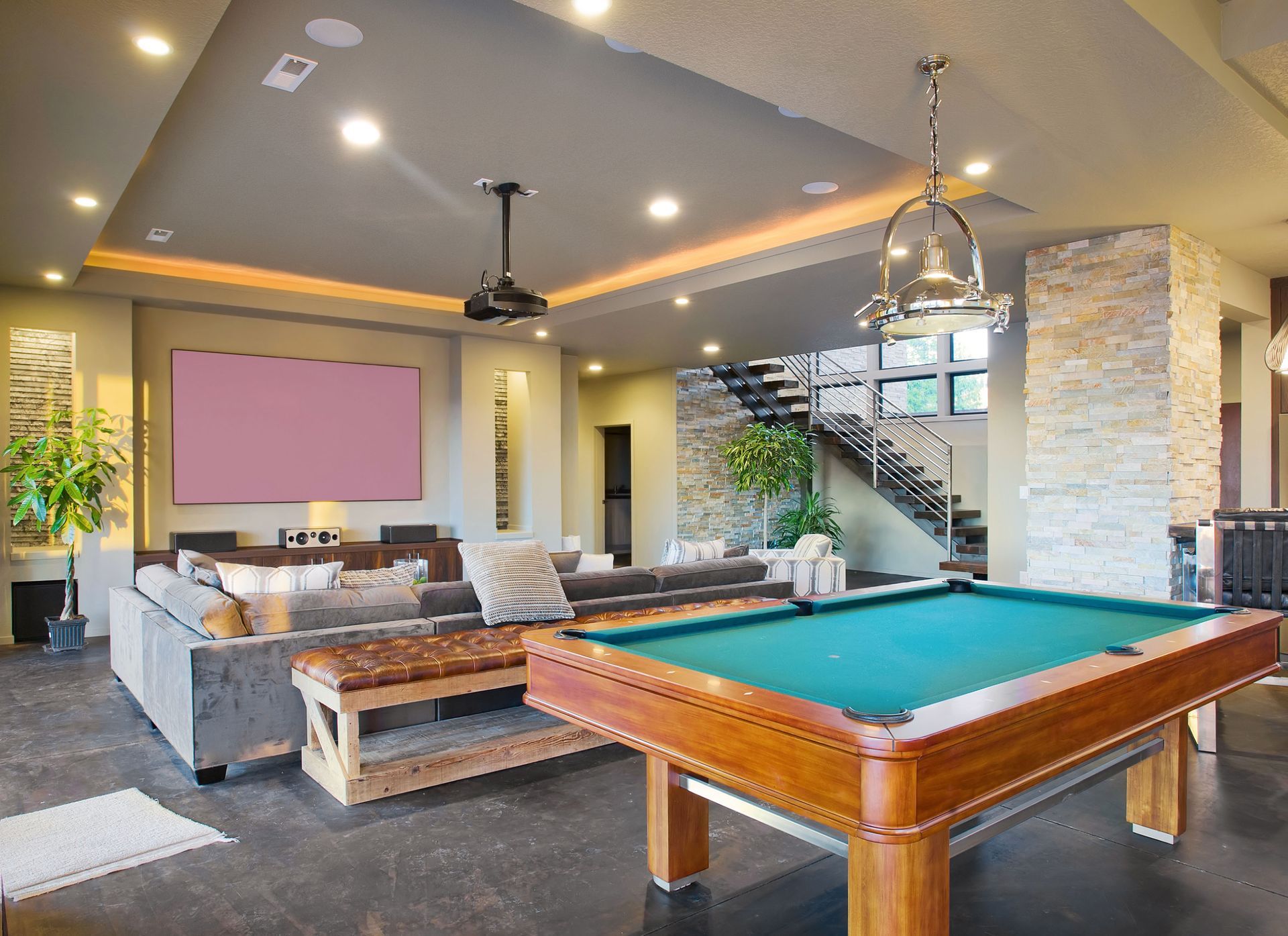
Finishing touches, including flooring, paint, cabinetry, and fixtures, define the character of the remodeled basement. Custom features like a home theater, bar, or bathroom add both functionality and style. Professional installation ensures durability and consistency. Attention to detail in this phase enhances both usability and aesthetic appeal, creating a space that reflects the homeowner’s vision.
Coordinating multiple finishing tasks requires careful scheduling to avoid conflicts between tradespeople. Quality checks at each step prevent the need for rework, saving time and cost. By integrating all finishing elements cohesively, the remodel transitions from construction to a fully functional, livable space.
10. Plan for Final Inspections and Move-In
Completing a basement project requires final inspections to confirm adherence to codes and regulations. Passing inspections validates the quality and safety of construction, allowing homeowners to occupy the space confidently. Moving furniture, installing equipment, and arranging personal items mark the final transition from project to everyday use. Thorough inspections prevent future complications, ensuring the remodel delivers long-term value.
Documenting warranties, maintenance guidelines, and contractor contact information provides homeowners with resources for upkeep. Educating occupants on features, such as plumbing or electrical systems, prevents misuse and preserves functionality. Timely completion of inspections and final setup ensures a seamless move-in process, bringing the vision of a fully remodeled basement to life.
Transforming a basement into a vibrant, functional space enhances home value and lifestyle. From planning to final inspections, a basement remodel requires coordinated effort, professional guidance, and strategic time management. By considering each stage carefully, homeowners can anticipate challenges, manage budgets, and achieve a high-quality result.
For homeowners in Fortville, IN, CMH Builders offers professional basement remodel services backed by a two-year craftsmanship warranty, prompt service, and free consultations. Our fully licensed team, available since 2006, can help turn your basement into a fully functional living space, complete with a theater, bar, bathroom, or bedroom. Visit our showroom or contact CMH Builders today to begin transforming your basement.